Getting Candy Waster SVG Cut File Review
As a designer who spends more time staring at stitch density charts than sleeping, I approach every new digital asset with a healthy dose of skepticism. The market is flooded with generic clip art masquerading as professional embroidery files, and it takes very little to ruin a beautiful garment with poor digitization or lazy vector work. That is why when I encountered the Getting Candy Waster SVG Cut File, I decided to put it through its paces before recommending it to my network of fellow crafters and small business owners.
This review isn't just about whether the file opens correctly in your software. It is about how this design translates from a screen into thread, how it holds up on actual fabric, and whether it has the commercial viability needed for an Etsy shop or a local craft fair booth. We are looking at a product categorized under Crafts and Graphics, but its true value lies in its application as a machine embroidery design or a vinyl cut graphic for apparel decorators.
First Impressions: Mood and Visual Personality
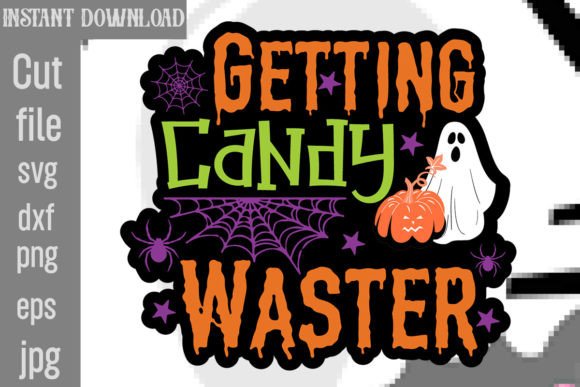
The moment you unbox the digital download, which includes one .zip file containing an SVG for Cricut, a DXF for Silhouette, an EPS vector, and a transparent 300 DPI PNG, the versatility becomes immediately apparent. The phrase "Getting Candy Waster" suggests a playful, perhaps slightly ironic take on sweet treats or indulgence. Visually, the layout feels balanced and confident. It doesn’t scream for attention; rather, it invites the viewer in with a sense of whimsy that works exceptionally well for handmade products.
For designers, the visual personality is key. This isn’t a stiff, corporate logo. It has a casual, approachable vibe that aligns perfectly with the current trend toward comfort wear and nostalgic aesthetics. Whether you are creating a sweatshirt embroidery piece for a teen boutique or a personalized gift for a friend who loves sweets, the mood hits the right note without being childish. The shapes appear clean, which is the first indicator that the underlying vector work was done with precision—a crucial factor when scaling designs for different hoop sizes.
Real-World Application: From Screen to Stitch
Let’s talk about where this design truly shines. I imagine this embroidery project coming to life on a soft, heather grey tote bag design. The contrast between the dark thread and the light fabric would make the details pop, creating a high-quality finished product that customers can use daily. Alternatively, consider using it for baby embroidery. A onesie or a nursery decor item featuring this motif could become a bestseller for any Etsy seller looking to tap into the gift market.
The inclusion of multiple file formats means you aren’t limited to just one method of production. If you are an apparel decorator working with thick fabrics like fleece for holiday embroidery, the SVG and DXF files allow you to cut heat-transfer vinyl with crisp edges. However, if you are leaning into traditional craftsmanship, the EPS vector ensures that when you import the design into your digitizing software, the curves remain smooth. This is vital for maintaining brand consistency across all your small shop products.
I also see strong potential for this as an embroidered patch. The defined borders likely translate well to a satin stitch border, giving it a polished look suitable for denim jackets or backpacks. For craft business owners, this flexibility increases the perceived value of the digital asset. You aren’t selling a single image; you are selling a versatile design asset that can be adapted to tea towels, aprons, and even pillow covers.
Where Caution Is Required
No design is perfect for every scenario, and honest review requires pointing out the limitations. While the main elements of the Getting Candy Waster SVG Cut File are robust, there are specific situations where you need to exercise care. If you plan to place this on curved surfaces like caps or hats, pay close attention to the distortion. Curved hoods and visors can stretch fine lines, so it is wise to test the placement carefully.
Furthermore, avoid using this on highly textured fabrics such as heavy bouclé or loose-weave linen. The stabilizer might not hold the stitches flat, leading to puckering. Similarly, if you attempt to use this in a very small hoop size, you may lose the integrity of the finer details. Always check the stitch density before running the machine on expensive fabric. Thin or stretchy fabrics require additional support, and while the design itself might be simple, the execution depends heavily on your choice of stabilizer and thread colors.
Dark fabrics present another challenge. If the original design relies on negative space or light thread colors, it may get lost against a black background. In these cases, a contrasting thread color or a backing applique design might be necessary to ensure the artwork remains legible and professional.
Practical Designer Notes for Success
To get the most out of this file, follow these practical steps before committing to a final custom apparel piece. First and foremost, always test the design on scrap fabric that matches the weight and texture of your final project. This allows you to inspect small details and confirm that the running stitch or fill stitch areas do not overlap in unintended ways.
Review the stitch density within your digitizing software. If certain areas look too dense, they may cause needle breakage or fabric distortion. Adjusting the underlay stitches can often solve this issue. Also, compare light and dark fabric backgrounds in a printable mockup. Seeing the design in black and white helps you assess the balance of the composition without being distracted by color choices.
Thread color selection is critical. Choose threads that complement the theme—pastels for a soft, baby-friendly look, or bold neons for a modern, edgy statement. Ensure you have enough contrast between the thread and the fabric to maintain clarity. Finally, double-check the licensing terms included in the download. Even though it is a digital embroidery file, commercial use rights vary. Confirm whether you can sell finished items made with this design, especially if you are operating a busy craft business.
Final Verdict on Value and Appeal
The Getting Candy Waster SVG Cut File offers a solid foundation for creative entrepreneurs looking to expand their inventory. Its strength lies in its adaptability. It works equally well as a standalone graphic for print-on-demand services or as a core element in a complex machine embroidery design. For the hobbyist, it provides a fun, low-stakes project for practicing new techniques. For the professional, it serves as a reliable component in a larger collection of design assets.
Customer trust is built on quality and presentation. A cleanly stitched or precisely cut version of this design signals professionalism. It shows that you care about the details, which encourages buyer engagement and repeat purchases. Whether you are decorating a kitchen towel for a wedding gift or stocking shelves with boutique branding items, this file delivers a result that feels intentional and well-crafted.
In conclusion, this is a versatile addition to your library. It avoids the pitfalls of over-complication while offering enough visual interest to stand out in a crowded marketplace. Just remember to respect the fabric, choose your stabilizer wisely, and always test before you sell. When executed correctly, the Getting Candy Waster SVG Cut File transforms from a simple digital download into a tangible, desirable handmade product.