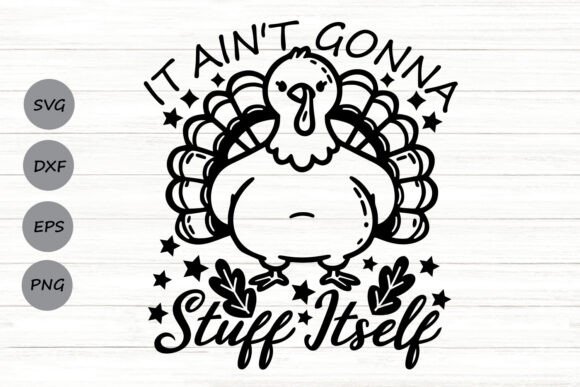
It Ain t Gonna Stuff Itself Svg Graphics and Crafts
In the world of digital publishing, visual hierarchy is not just an aesthetic choice; it is a functional necessity. As a blog designer who has spent years optimizing content for readability, click-through rates, and brand trust, I evaluate every graphic asset with a critical eye. We often get caught up in technical SEO or keyword density, forgetting that the human brain processes images 60,000 times faster than text. This is why the selection of It Ain t Gonna Stuff Itself Svg matters so much when you are building a seasonal content strategy.
This specific design asset falls squarely into the intersection of humor, seasonal relevance, and practical utility. It is not merely a decorative element; it is a mood setter. When integrated correctly into your editorial workflow, it signals to your reader that your content is approachable, relatable, and culturally aware. For bloggers, affiliate marketers, and small business owners, leveraging timely humor can significantly boost engagement during high-traffic periods like Thanksgiving.
The Editorial Mood of Seasonal Humor
The first impression of It Ain t Gonna Stuff Itself Svg is one of playful irreverence. The phrase itself is a colloquialism that resonates with anyone who has hosted a holiday meal or managed a busy household. In terms of editorial design, this asset creates a casual, lifestyle-focused atmosphere. It works exceptionally well for niches such as home organization, cooking blogs, family parenting sites, and even productivity blogs that use humor to discuss workload management.
Unlike sterile corporate graphics, this design brings personality. It suggests that the content creator understands the chaos of the season. For a publisher, this builds immediate rapport. Readers are more likely to trust a brand that feels human. However, the tone must be matched carefully. If your website is a serious financial news outlet, this graphic would feel out of place. But for a creative entrepreneur selling printables, a mom blogger sharing recipes, or a digital marketer promoting seasonal deals, it fits perfectly into a modern, friendly brand identity.
Integrating the Asset into Your Publishing Workflow
One of the greatest strengths of receiving It Ain t Gonna Stuff Itself Svg, along with its companion formats like PNG, EPS, and DXF files, is its versatility across different platforms. These files are ready to be used with any cutting machine or program that supports vector or raster editing, making them indispensable for both digital and physical product creators.
Consider your typical content marketing calendar. You might be preparing a series of articles on "Thanksgiving Hosting Hacks." Here is how this graphic asset integrates:
- Blog Featured Images: Use the SVG version to create crisp, scalable headers. The clean lines ensure that your article looks professional even when viewed on high-resolution Retina displays.
- Pinterest Pins: Pinterest is a visual search engine. A bold, humorous graphic like this stands out in a feed cluttered with perfect, curated photos. It stops the scroll because it offers a moment of levity.
- Email Newsletters: Include this in your header or as a divider within a Thanksgiving-themed newsletter. It breaks up text blocks and keeps readers engaged.
- Digital Guides and Lead Magnets: If you are offering a free printable checklist for holiday prep, this graphic can serve as the cover art or a decorative accent page. It adds value to your lead magnet by making it feel like a complete, polished product.
For those using Canva templates or designing custom eBook covers, the availability of multiple file types is crucial. The SVG ensures scalability, while the PNG provides a quick preview option. The DXF and EPS files allow for precision if you are also producing physical merchandise, such as tote bags or mugs, which is a common strategy for small business branding.
Impact on Content Performance and Trust
Why does this matter for your bottom line? Because stronger first impressions lead to clearer visual hierarchy. When a user lands on your site, they decide within seconds whether to stay or leave. A consistent visual identity that includes well-chosen seasonal assets reinforces your brand’s attention to detail.
Using It Ain t Gonna Stuff Itself Svg effectively can improve click-through potential by signaling relevance. If a user is searching for funny Thanksgiving quotes or holiday planning tips, seeing this graphic confirms they are in the right place. It reduces cognitive load. The reader doesn’t have to guess the tone of the article; the image tells them immediately. This clarity improves reader trust and encourages deeper engagement with your affiliate content or sponsored posts.
Furthermore, this asset supports better category recognition. By consistently using similar styles of humor and seasonal graphics, you train your audience to recognize your content instantly in their feeds. This is a core principle of effective web design and brand identity development.
Where This Design Works Best
To maximize the impact of this graphic, place it where visual impact is paramount but text competition is low. Ideal locations include:
- Hero Images: Large, full-width banners at the top of landing pages.
- Social Media Previews: Instagram posts or Facebook shares where the graphic needs to convey the message instantly without reading.
- Editorial Accents: Small decorative elements within long-form articles to break up monotony.
- Downloadable Resources: Watermarks or borders on PDFs to protect your intellectual property while adding style.
Areas Requiring Careful Consideration
However, not every placement is suitable. There are scenarios where this graphic should be used sparingly or avoided entirely:
- Small Mobile Thumbnails: At very small sizes, the text may become illegible. Always test how it looks as a thumbnail icon.
- Text-Heavy Blog Images: Avoid overlaying complex body text directly onto the graphic unless there is sufficient contrast. Readability is key for accessibility and SEO.
- Serious Professional Niches: As mentioned, avoid this in contexts requiring strict professionalism, such as legal advice or medical information.
- Busy Layouts: If your website already has heavy patterns or multiple competing visuals, this graphic may add to visual clutter rather than enhancing the design.
Practical Publisher Notes for Implementation
Before integrating It Ain t Gonna Stuff Itself Svg into your live site, follow these practical steps to ensure quality:
Test Across Devices: View the graphic on desktop, tablet, and mobile screens. Ensure it scales properly and does not pixelate. Since it is an SVG, it should remain sharp, but check the surrounding layout to ensure it doesn’t disrupt the responsive design.
Check Contrast and Readability: Preview the graphic against various background colors. Does the text pop? Is it easy to read? Good editorial design relies on strong contrast to guide the eye.
Font Pairing: Experiment with placing this graphic beside different font styles. Try pairing it with a classic serif font for a traditional look, or a clean sans-serif font for a modern vibe. You might also experiment with script or handwritten fonts if you are creating a more personal, crafty aesthetic. This helps refine your overall visual hierarchy.
Optimize File Size: Even though SVGs are lightweight, ensure any raster conversions (PNG/JPG) are compressed properly for web performance. Slow-loading images hurt your SEO rankings and frustrate users.
Verify Licensing: Finally, confirm your commercial license. If you are using this on monetized websites, affiliate pages, or paid content products, ensure you have the rights to use it commercially. This protects your business from legal issues and maintains the integrity of your brand.
By treating It Ain t Gonna Stuff Itself Svg as a strategic tool rather than just a decoration, you elevate your content from simple text to a polished, engaging experience. Whether you are a seasoned digital publisher or a new creative entrepreneur, leveraging the right design assets can make a significant difference in how your audience perceives and interacts with your work.